Skip to navigation | Skip to main content | Skip to footer
The University of Manchester home
Manchester Institute of Biotechnology
  • Manchester Institute of Biotechnology
  • Research
    • Fundamental bioscience and technology innovation
    • Sustainable bio-based chemicals and materials
    • Biological solutions for environmental protection
    • Biotechnologies for advanced therapeutics
    • Facilities
    • Centres
    • Impact
  • Home
  • Collaborate

    For businesses

    For academics

  • Research

    Research themes

    • Fundamental bioscience and technology innovation
    • Sustainable bio-based chemicals and materials
    • Biological solutions for environmental protection
    • Biotechnologies for advanced therapeutics

    Research centres

    Research facilities

    People

    Research impact

    Research fellowships

  • Join us

    Jobs and fellowships

    Events

    Study with us

    • Doctoral training
    • Research projects
    • Industrial Biotechnology MOOC
  • About

    People

    News

    Contact us

  • Manchester Institute of Biotechnology
  • Research
  • Biotechnologies for advanced therapeutics
  • Manchester Institute of Biotechnology
  • Research
    • Fundamental bioscience and technology innovation
    • Sustainable bio-based chemicals and materials
    • Biological solutions for environmental protection
    • Biotechnologies for advanced therapeutics
    • Facilities
    • Centres
    • Impact
Research
""

Biotechnologies for advanced therapeutics

We are transforming how medicines are designed, manufactured and delivered through enzymatic synthesis, protein expression, cell engineering, materials science and advanced diagnostics.

Engineering the future of medicines

As healthcare evolves, novel therapeutics – from oligonucleotides and gene therapies to biopharmaceuticals and biomaterials – demand new biological and biocatalytic solutions.

At MIB, we bring together capabilities in cell culture, 3D tissue models, polymer chemistry, protein expression and diagnostic innovation to drive the next generation of therapeutic technologies. Enzyme engineering plays a central role in this work, supporting oligonucleotide synthesis, drug intermediate production and emerging therapeutic modalities. These efforts are underpinned by our mechanistic insights, analytical expertise and modelling approaches, which together strengthen both therapeutic design and diagnostic development.

Our biotechnologies for advanced therapeutics innovation research

Producing new therapeutic modalities via biotechnology

We develop new biotechnologies that help produce the next generation of medicines more efficiently and more sustainably.

Our researchers build on world‑leading expertise in enzyme engineering and industrial biocatalysis. They design custom enzymes and step‑by‑step catalytic processes that can build complex molecules which are hard or inefficient to make using traditional chemical methods.

These technologies support emerging types of medicine, including RNA‑based therapies and other advanced treatments expected to play an important role in future healthcare. By combining AI‑driven design, rapid testing, and automated discovery tools, we speed up the journey from early research to manufacturing methods that can work at scale.

Purple-gloved hands hold up a petri dish with bacterial colonies.

Discovering and biosynthesising new antimicrobials and natural products

Our researchers explore biosynthetic pathways to uncover new antimicrobials and other bioactive natural products urgently needed to address global health challenges. This work combines fundamental bioscience with therapeutic innovation, using genome mining, pathway engineering and synthetic genomics to activate, redesign, and expand natural‑product assembly lines.

By integrating computational tools, automated design–build–test workflows, and engineered microbial hosts, we generate structurally diverse molecules with pharmaceutical potential and develop scalable biosynthetic routes for their production. Together, these approaches strengthen the UK’s capability in next‑generation antimicrobial discovery.

Polymer materials for cryogenic storage and biologic distribution

We develop advanced polymer materials that protect delicate biologics – including proteins, vaccines and cell‑based therapies – during cryogenic storage and transport. This research combines polymer chemistry, materials science and biotechnology to create formulations that prevent freezing damage and maintain product quality.

These materials support the reliable delivery of advanced therapeutics and align with our mission to build new biotechnologies for therapeutic production and deployment. This research underpins both industrial translation and the broader clean‑growth materials agenda.

A microscope image of a biogel

Novel biogels and biomedical scaffolds

Our researchers design innovative bio‑gels and biomaterial scaffolds that support cell growth, drug delivery and the development of advanced therapies. These materials enable controlled environments for regenerative medicine, tissue engineering and therapeutic delivery systems. By integrating peptide, polymer and polysaccharide chemistry with advanced characterisation, our researchers create tailored structures that mimic biological environments and enhance therapeutic performance.

This work is strengthened by collaborations across the Henry Royce Institute and Manchester’s clinical and biomedical networks, supporting translation into real‑world biomedical applications.

Advancing diagnostics

We develop advanced diagnostic technologies that enable earlier, more precise detection of disease and and improved monitoring of how patients respond to treatment.

Our research spans mass‑spectrometry‑based analytical platforms, biosensors, molecular probes and microfluidic systems, delivering rapid and sensitive measurements relevant to both clinical decision‑making and therapeutic development.

By combining expertise in structural and computational biology, analytical science and materials innovation, we create diagnostic tools that accelerate translation from research to real‑world healthcare settings, and strengthen the wider biomedical innovation pipeline.

Why does advanced therapeutics research matter?

Our therapeutic technologies enhance the development and delivery of advanced medicines by reducing manufacturing costs, improving scalability and expanding the possibilities for next‑generation treatments.

At the same time, our deep expertise in areas such as enzymology, materials science, diagnostics and bioprocessing provides a strong foundation for scientific advancement, while our research also contributes to national priorities around health resilience, medical manufacturing and equitable access to lifesaving therapies.
""

News

Show previous news story Show next news story

Scientists develop a cheaper and more sustainable way to manufacture breakthrough HIV drug Lenacapavir

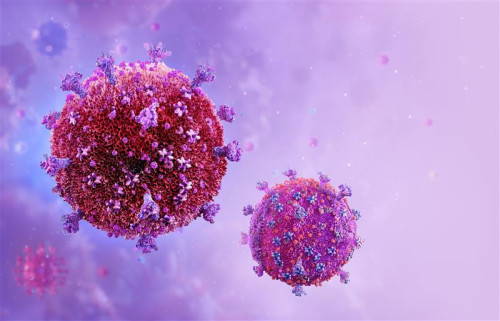
With financial support from the Gates Foundation, researchers at the Manchester Institute of Biotechnology (MIB) have used engineering biology – an emerging technology that uses nature’s own processes to manufacture everyday chemicals and materials – to dramatically simplify how Lenacapavir is manufactured. A novel class of HIV antiretroviral drug, Lenacapavir offers long‑acting protection against HIV transmission.

Manchester–Tokyo team uncovers rare nickel enzyme with potential to transform sustainable drug manufacturing

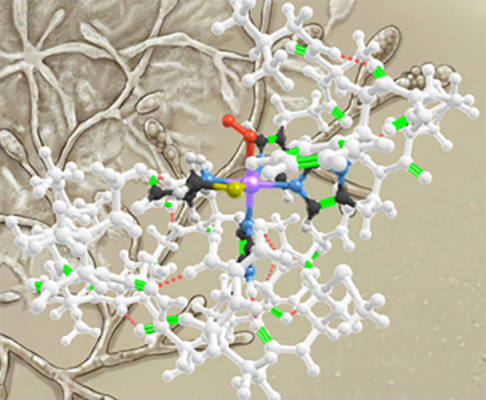
Researchers from the Manchester Institute of Biotechnology (MIB) have helped reveal, for the first time, the detailed molecular mechanism by which nature constructs a rare and pharmaceutically important chemical group, the sulfonamide.

Scientists develop groundbreaking ‘blood on demand’ technology to revolutionise emergency transfusions

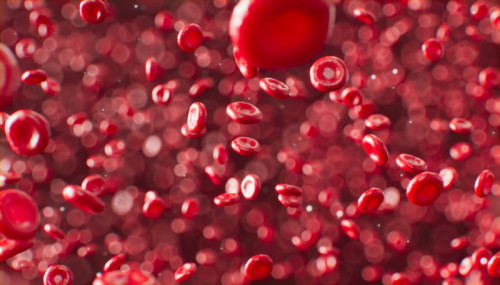
The technique, created with industry partners CryoLogyx, has the potential to revolutionise how blood is stored and delivered in emergencies, remote locations, and military operations.Led by Dr Fraser Macrae from Leeds and Professor Matthew Gibson from Manchester, the research is published today in Cryobiology journal.Rather than using traditional cryoprotective agents – substances which protect cells by preventing ice, the team developed a cocktail which includes a new class of macromolecule which protects cells by preventing damaging ice from forming inside them, known as polyampholytes.Beating the clock: delivering on-demand bloodRed blood cell transfusions are critical for treating trauma, anaemia, and complications from chemotherapy or surgery. However, refrigerated red blood cells have a shelf life of just 42 days, creating logistical challenges for maintaining a reliable blood supply – especially in crisis situations or remote regions.To allow blood to be banked for future use, cryopreservation (freezing) is an essential technology. Currently, glycerol is used as a cryoprotectant – a substance which protects the blood from cold stress by preventing ice from forming within the cells. However, it comes with a major drawback: a laborious and time-consuming thawing and washing process that can take over an hour per unit of blood. This delay can be life-threatening in emergencies and complicates its use in, for example, crisis or military situations.The new method reported today, addresses this washing speed problem. By combining three cryoprotectants – polyampholytes (a type of polymer), DMSO (a cryoprotectant typically used for stem cells), and trehalose (a sugar) – the researchers have developed a formulation (PaDT) that not only preserves red blood cells effectively but also reduces the post-thaw washout time by over 50 minutes compared to glycerol.How it worksThe PaDT formulation leverages the unique properties of its three components:Polyampholytes: unique polymeric cryoprotectants which have many beneficial properties including preventing ice forming inside cells.DMSO: a permeating cryoprotectant that enters cells quickly replacing water molecules, stopping ice from formingTrehalose: a sugar found in extremophiles like tardigrades; trehalose protects cells from dehydration and stabilises proteins and membranes.Together, these agents work to protect RBCs during freezing and allow for a simplified, low toxicity thawing process.What’s the prognosis, doc?This breakthrough has the potential to transform emergency medicine. With this new method frozen blood could be stockpiled and rapidly deployed in disaster zones, on the battlefield, or in rural hospitals – without the need for constant donations or complex equipment.The research team is now exploring how this method can be integrated into automated systems for large-scale blood processing. They are also investigating its potential for preserving other cell types, including stem cells and platelets.Journal: CryobiologyFull title: Towards blood on demand: Rapid post-thaw isolation of red blood cells from multicomponent cryoprotectantsDOI/link: https://doi.org/10.1016/j.cryobiol.2025.105295

Skin swabs could detect Parkinson’s disease up to seven years before symptoms appear

A new study has revealed promising progress in developing a non-invasive sampling method to detect early signs of Parkinson’s disease – up to seven years before motor symptoms appear - by analysing the chemical makeup of skin.

Manchester scientists develop new light-powered enzymes to make chemistry cleaner and greener

This breakthrough could lead to cleaner, more efficient ways of making medicines and other important chemicals, all while reducing the need for harsh chemicals and harmful ultraviolet (UV) light. The discovery, which represents a major step forward in the field of photocatalysis - using light to drive chemical reactions - shows how biology and chemistry can work hand-in-hand to unlock new possibilities for safer, greener manufacturing.Swapping harmful UV for everyday visible lightMany light-driven chemical processes rely on UV light and chemical helpers called ‘sensitisers’, which absorb the light and transfer the energy to the other molecules to drive the reaction. Previous research from the MIB had selectively introduced UV sensitisers into proteins that resulted in photoenzymes that were more efficient, selective and versatile than traditional small molecule sensitisers. However, these UV-driven photoenzymes have downsides: they suffer from low photochemical efficiencies, can damage delicate molecules, and often produce unwanted by-products, therefore limiting the scope of possible reactions.To address these issues, Dr Rebecca Crawshaw and Dr Ross Smithson, part of the Green Group, led by Professor Anthony Green, engineered enzymes that contain a different type of light-absorbing molecule called thioxanthone. Unlike older sensitisers, thioxanthone works with visible light, making the system not only more efficient but also more environmentally friendly and compatible with industrial lighting conditions.Improved efficiency from a nature-inspired designBy embedding these thioxanthone sensitisers directly into enzymes, the scientists have created new ‘photoenzymes’ that can perform light-powered reactions with remarkable speed and accuracy.One of these enzymes, named VEnT1.3, was able to produce its target chemical with significantly improved efficiency—completing over 1,300 reaction cycles and doing so with precise control over the arrangement of atoms. This level of control is especially important when making pharmaceuticals, where the 3D shape of a molecule can mean the difference between a life-saving drug and an ineffective or harmful substance.The new photoenzymes also open new pathways for manufacturing as they can achieve chemical reactions that would be difficult, or even impossible, to do using traditional chemical methods. For example, the team developed a second enzyme, called SpEnT1.3, which can build complex ring-shaped molecules known as spirocyclic β-lactams. These are important building blocks for medicines and other high-value chemicals.Additionally, the photoenzymes can also suppress undesired decomposition pathways that commonly plague small-molecule photocatalysis. These findings highlight the unique capability of engineered enzymes to govern the fate of reactive intermediates with a level of control that remains out of reach for conventional catalysts.A greener future for chemical manufacturingThe success of this genetic encoding approach underscores the broader potential of using engineered enzymes as a flexible platform for visible-light photocatalysis. By expanding the genetic code to incorporate novel sensitisers like thioxanthone, researchers can fine-tune photoenzyme scaffolds for a wide array of reactions—alleviating many of the limitations imposed by more traditional photocatalysts.The research also highlights the power of combining cutting-edge science from different fields—genetic engineering, chemistry, and biology—to solve practical problems. By expanding the genetic ‘toolkit’ that scientists use to build enzymes, the team can design these biological catalysts to do exactly what’s needed, in the right place, at the right time.Such advances could ultimately facilitate the design of enzyme systems capable of performing complex photochemical transformations with unmatched precision and efficiency—benefiting sectors ranging from pharmaceuticals and agrochemicals to materials science and beyond.Biotechnology is enabling us to find new and more sustainable ways to produce chemicals, materials, and everyday products, by understanding and harnessing nature’s own processes and applying them at industrial scales. Supported by the Manchester Institute of Biotechnology, our 400+ experts are innovating solutions in environmental sustainability, health and sustainable manufacturing. Find out more about our biotechnology research.  

Explore our other research themes

Fundamental bioscience and technology
Discover our fundamental research

""

Sustainable bio-based chemicals and materials
Discover our chemicals and materials research

""

Biological solutions for environmental protection
Discover our environmental research

""

Get in touch

Reach out to our researchers for more information about their work, or if you have a general enquiry, please contact our team.

Contact us

Contact us

  • Contact details

Find us

Manchester Institute of Biotechnology
The University of Manchester
131 Princess Street
Manchester
M1 7DN
United Kingdom

Connect with us

  • Bluesky page for Manchester Institute of Biotechnology
  • LinkedIn page for Manchester Institute of Biotechnology

  • Disclaimer
  • Data Protection
  • Copyright notice
  • Accessibility
  • Freedom of information
  • Charitable status
  • Royal Charter Number: RC000797