

Biological solutions for environmental protection
Our world is facing myriad human-made challenges and our research focuses on using engineering biology to tackle environmental degradation, reduce emissions, valorise waste and restore ecosystems.
Biotechnology for climate and environmental resilience
As global pressures on food, resources and planetary health rise, biotechnology provides powerful tools for remediation, carbon capture, pollution reduction and sustainable resource use.
We combine microbiology, enzyme engineering, environmental biotechnology and systems biology to tackle these challenges head‑on. Our work in microbial carbon cycling, microbiome engineering, engineered co‑cultures and waste valorisation forms the core of this theme, while expertise in enzyme mechanisms drives advances in plastic degradation, pollutant remediation and CO₂‑fixing biocatalysts. We work closely with partners across geoscience, environmental biotechnology, chemical engineering and the Henry Royce and Pankhurst Institutes to drive environmental innovation.
Our bological solutions for environmental protection research
Capturing and transforming CO2
We develop biological systems that capture carbon dioxide and turn it into useful chemicals, fuels or materials. By engineering enzymes, microbes and synthetic pathways, they create processes that fix CO₂ efficiently under real‑world conditions.
This work supports low‑carbon manufacturing by transforming waste carbon into a valuable resource rather than a pollutant. Using advanced tools in enzymology, microbiology and automated design–build–test workflows, the team demonstrates how engineered biology can contribute to climate resilience.
These approaches help reduce reliance on fossil resources while laying the foundation for scalable, sustainable carbon‑capture technologies.
Improving agriculture and low-emission food production systems
Our researchers apply biotechnology to support cleaner, more resilient food systems. We engineer plant‑associated microbes, soil microbiomes and biological pathways to improve nutrient uptake, reduce fertiliser inputs and enhance crop performance in challenging environments. Our work also targets ways to lower emissions from agriculture – for example, by improving nitrogen cycling or reducing greenhouse‑gas release from farming systems.
Combining synthetic biology, genomics and environmental microbiology, we develop practical biological tools that can strengthen food security while reducing environmental impact, helping future agricultural systems become more efficient, sustainable and climate‑friendly.
Valorising waste feedstocks
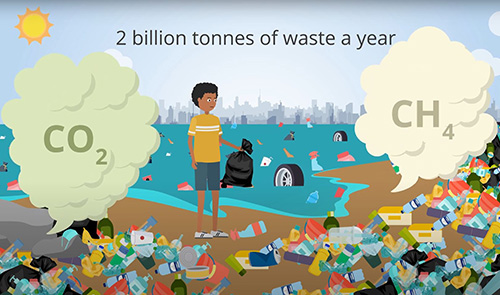
We design biological processes that convert waste materials – such as agricultural residues, food waste or industrial by‑products – into valuable chemicals, fuels and biobased products. By engineering microbes and enzymes to break down complex waste streams, we turn low‑value materials into useful resources, supporting a circular and sustainable bioeconomy.
Our work integrates computational design, microbial engineering and bioprocess development to create pathways that are efficient, scalable and environmentally beneficial. These innovations help industry reduce waste, cut emissions and adopt more sustainable manufacturing routes, demonstrating the potential of engineering biology in resource recovery and clean growth.
Enzymatically deconstructing plastics
We engineer enzymes and microbial systems that can break down plastics into reusable chemical building blocks. These biological tools target polymers that are difficult to recycle using conventional methods, offering a cleaner and more selective alternative. By studying enzyme structure and mechanism, our teams design catalysts that work faster and under mild conditions, supporting more sustainable recycling processes.
Our work enables plastics to be broken down and rebuilt into new materials, rather than ending up in landfills or the environment. This provides a biological route to reducing plastic pollution and advancing circular economy solutions.
Bioremediation of environmental contaminants
We develop biological approaches to remove pollutants from soil, water and industrial environments. Our researchers engineer microbes, enzymes and microbial communities that can break down contaminants such as hydrocarbons, pesticides, solvents and other hazardous chemicals. This work offers targeted and environmentally friendly alternatives to traditional clean‑up methods.
By combining microbiology, synthetic biology, analytical science and environmental engineering, we provide solutions that restore ecosystems and support sustainable industrial practices. These bioremediation strategies help reduce environmental harm and demonstrate the role of engineered biology in protecting natural systems and improving long‑term ecological health.
Why does environmental solutions research matter?
Our research provides practical pathways to reduce emissions, recover value from waste streams and support more sustainable use of resources, while also opening new opportunities for collaboration across disciplines including microbiology, enzymology, environmental science and chemical engineering. By generating the evidence and innovation needed to strengthen climate resilience, advance decarbonisation efforts and promote sustainable practices, this work supports progress across scientific, industrial and societal goals.



Explore our other research themes
Fundamental bioscience and technology
Sustainable bio-based chemicals and materials
Biotechnologies for advanced therapeutics
Get in touch
Reach out to our researchers for more information about their work, or if you have a general enquiry, please contact our team.